ROMAGNA TERBBIANO
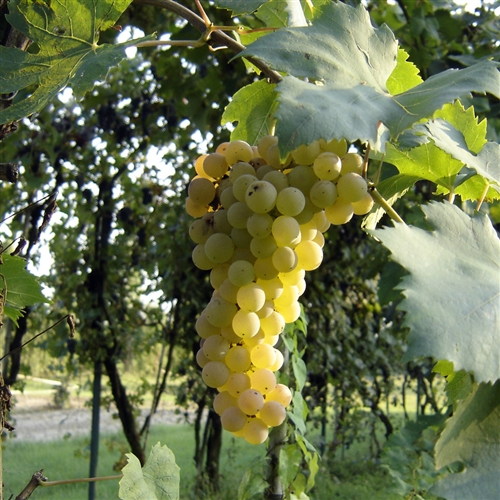
Trebbiano is a white grape variety very productive and resistant, that produces a light white wine to be consumed within the year following the harvest.
The origin in Romagna dates back to Etruscan and Roman period when the area was reclaimed and divided into farms.
Trebbiano is the
Trebulanus mentioned by Pliny in his "Natural History" and is documented as early as the fourteenth century by the Bolognese Pier de 'Crescenzi: "There is another species of grape called Tribiana, which is white with round grapes, small and abundant, that at a young age does not bear fruit growing but becomes fruitful. "
With the passing of years the ancient stump was born a family of closely related varieties and grown widely in Italy and abroad. He obtained the DOC in 1973.
Trebbiano is a wine with a straw yellow color with a fairly good degree of alcohol. At the smell is not particularly intense even if it has notes of flowers, herbs and wildflowers. It is also used for sparkling wine and vermouth.
It goes well with light appetizers, seafood salads, fresh and soft cheese. It is best appreciated with flat bread and cold cuts.
Typical Products