ROMAGNA SANGIOVESE
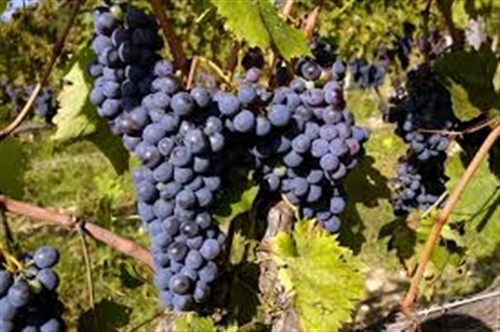
The earliest records date back to ‘600: it is said that during a banquet held at the Monastery of the Capuchin Friars in Santarcangelo di Romagna, in the presence of Pope Leo XII and other distinguished guests, was served this wine produced by the monks themselves.
The wine was much appreciated and was asked for the name. A monck, with a lot of humor, said that the wine was called "Sunguis of Jovis" = Blood of Jupiter (Sanjovese). Over the years, this wine was took as symbol of Romagna, thanks to a careful and intelligent producers.
At the national level Sangiovese grapes alone or in association with others, contribute to the production of famous wines such as Brunello di Montalcino, various Chianti, The Forgiano Rosso, Rosso Conero and many others.
The Sangiovese produced in Romagna, in the last ten years has seen a visible and constant qualitative growth.
It is said that the Sangiovese of Romagna (Sanzve "s) contains the character of Romagna: frank, feisty and hospitable and sturdy at the same time rough on the outside, but sincere and delicate inside.
The new specification for the DOC provides new names: the "Romagna Sangiovese" and "Romagna Sangiovese Superiore" have a "unique area of production, that is currently provided by the Sangiovese di Romagna.
For the "Romagna Sangiovese" type "reserve", there are 12 sub-areas: Bertinoro, Brisighella, Castrocaro - Terra del Sole, Cesena, Longiano, Meldola, Modigliana, Marzeno, Oriole, Predappio, San Vicinio, Serra; the additional mention of the subarea help you further qualify the products, creating interest in the knowledge of the places and traditions of this important wine.
This wine finds its best match with all the homemade pasta topped with meat sauce, roasted and grilled meat, with the classic "castrato" lamb ", with venison and game, as well as with stews and braised meats.
Typical Products